Having pretty much explored all of Halifax’s downtown, I decided it was time to take one of those ferries across the harbour and check out the other side - Dartmouth. Dartmouth is on the east side of the Halifax Harbour and has history dating back until 1750, a year after Halifax. Until 1996 Dartmouth was considered a separate city from Halifax however, following governmental amalgamation, Darmouth is now considered part of the Halifax Regional Municipality.

Woodside Ferry Terminal in Dartmouth

Looking across the harbour back to Halifax

Similarly to the Halifax side, there is a walking trail along the harbour in Dartmouth. It’s a 3 kms trail extending between the two ferry terminals. Different from Halifax though, this trail winds its way through more parkland and has less commercial development. The two sides are different but equally lovely.


Dartmouth Cove

Sections of the trail pass by an industrial area


This is one of 12 commemorative markers that were installed in 2018, in significantly relevant locations, to mark the 100th anniversary of the Halifax Explosion.


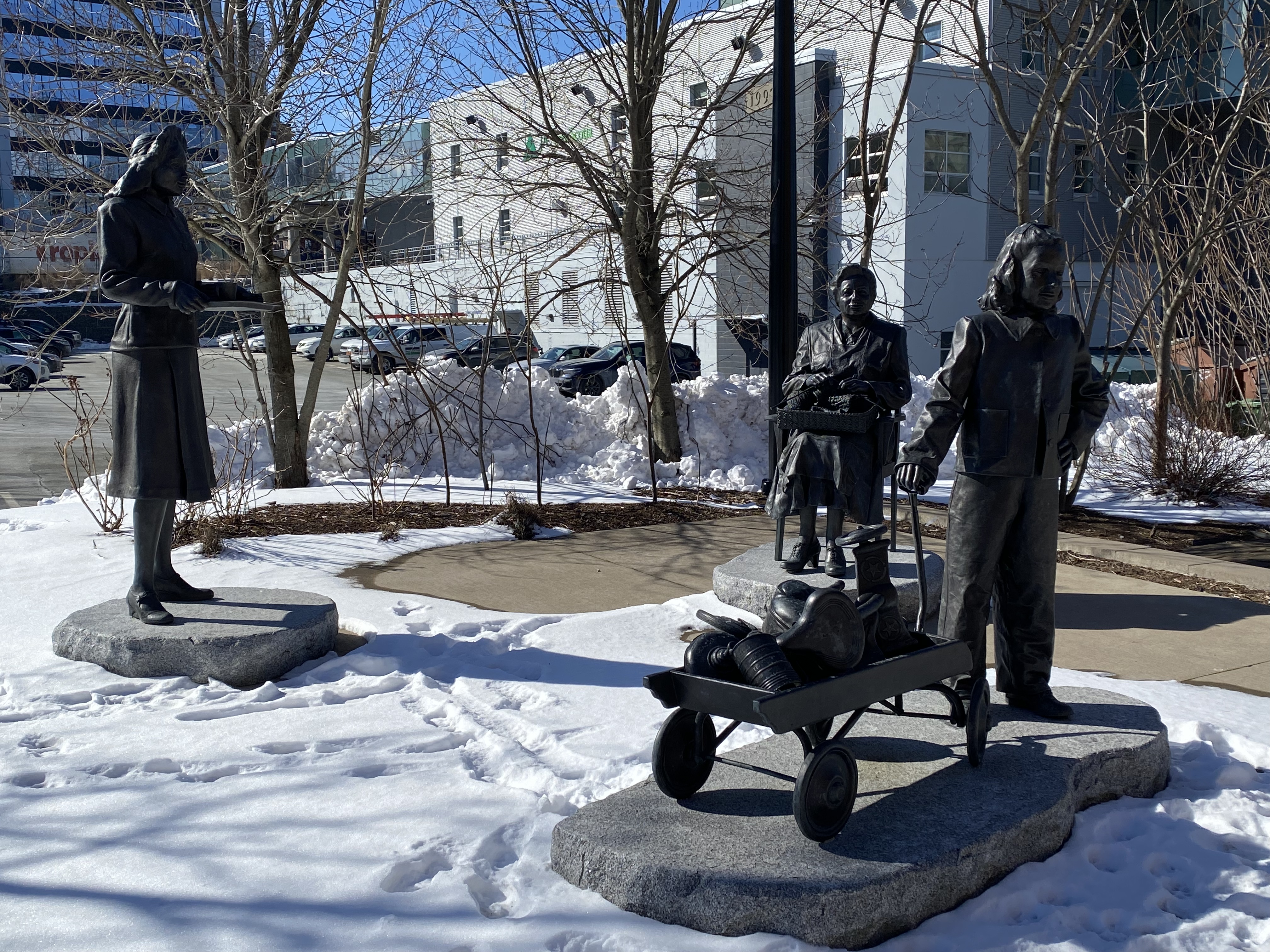
Originally Greenvale School, this building opened its doors in 1915. It survived the Halifax Explosion in 1917 with little damage and served as an infirmary, morgue and place of refuge for many area residents who had been left homeless by the disaster. The school closed in 1987 and the building was transformed into residences. The public art installation, School Chair, is a marker of scholastic activity and reflects upon the legacy of the Greenvale School.


The oldest church in Dartmouth, built in 1817, Christ Church was the first building used exclusively for Sunday worship.

The oldest structure in Dartmouth is the house of William Ray, a Quaker and cooper, which was built in 1785.

Leaving from the Alderney Terminal


Technically my trip didn’t end immediately after my time in Dartmouth, but end it did. Because I didn’t want a flight crazy early in the morning, and because I had lots of time, I opted for a return flight through Ottawa with just a 40 minute layover, so not bad at all. I do love flying!!

Plane # 1 for the return flight

The moment of take off!
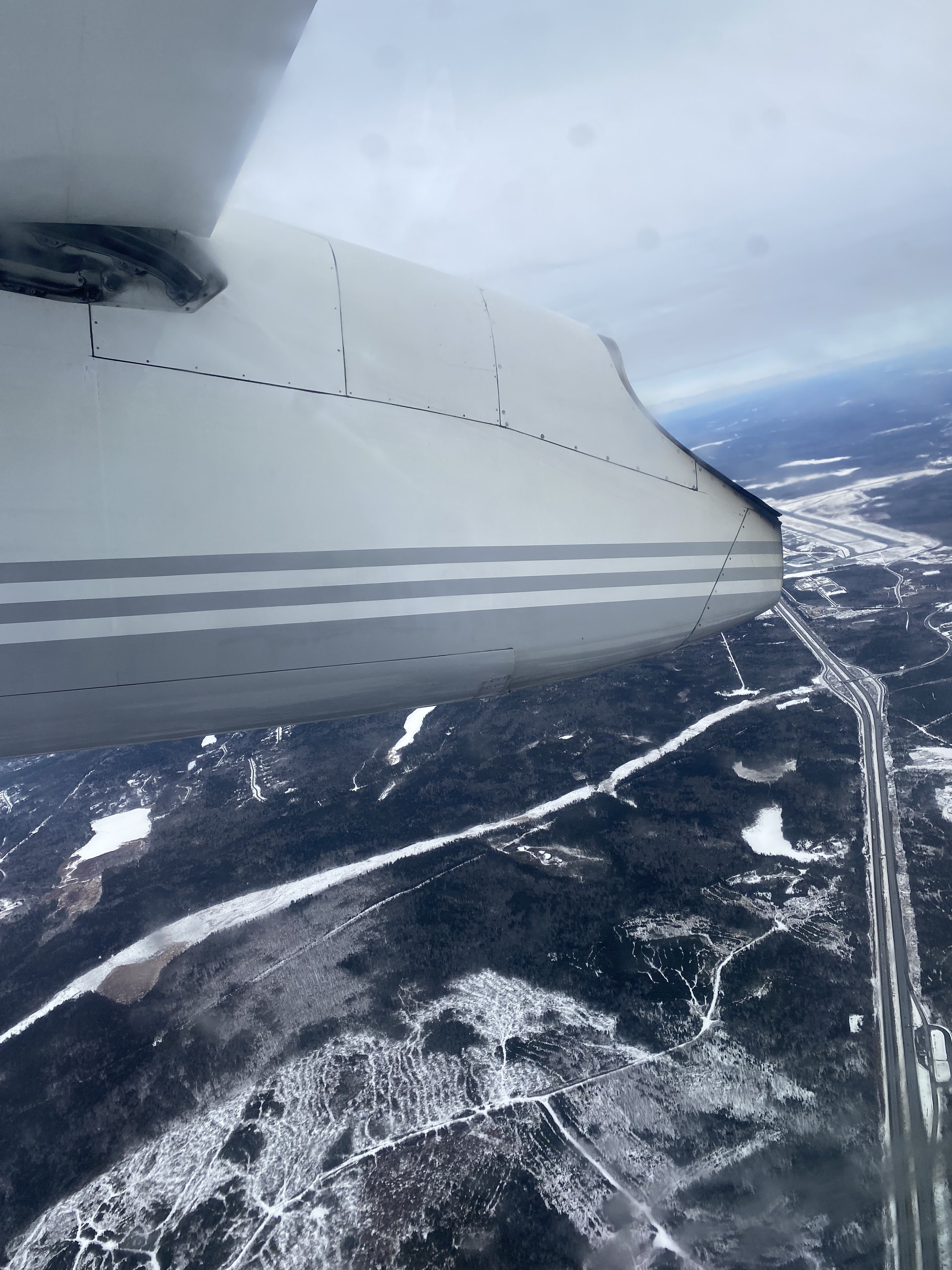
Goodbye Halifax…

…and hello Ottawa

Plane # 2 - this time one of the new Porter jets.

That’s my runway!

Looking down on the Rideau Canal. You can see some sections that are open water this winter - for the first time in its 53 year history, the Rideau Canal Skateway will not open for skating at all. This winter has been too mild.

The Ottawa River

I just love being above the clouds!


Life is pleasant on Porter. Beer and wine served - only one, but it’s free, and it’s in a real glass!

Further south in Ontario now - looking down on Lake Simcoe


Hello to the urban sprawl of Toronto.


Hard to see when the photo is small, but off in the distance is Toronto’s downtown core and the CN Tower.

Traffic on the 401 doesn’t look too bad at all!
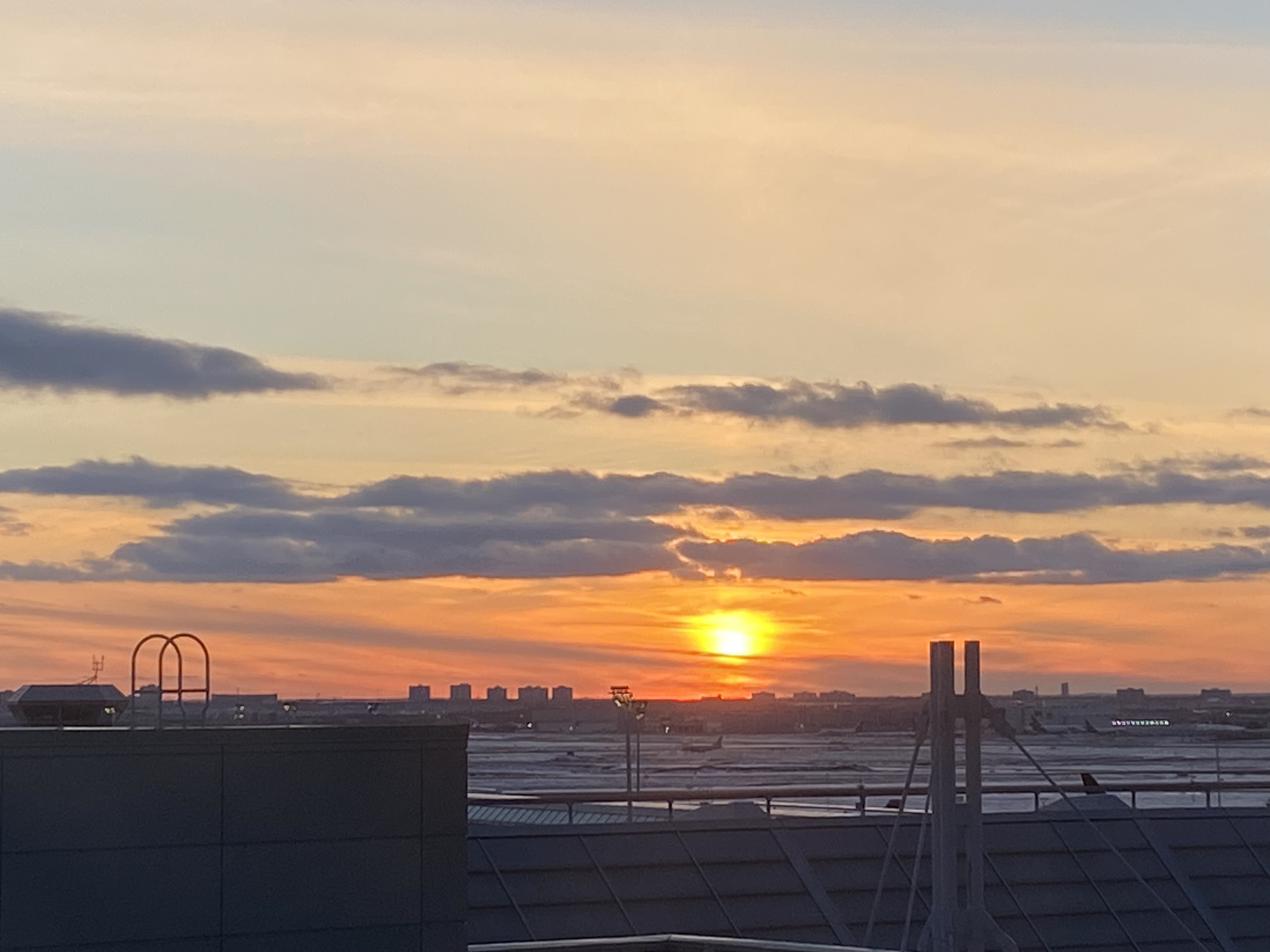
Sunset from the airport - and the end of my trip.