Saturday, 1 February 2020

The Wild Atlantic Way - Part 1, to Clonakilty

Heading from Kinsale along the Wild Atlantic Way I wasn’t really sure how far I’d get.  If possible I was hoping to get to the Mizen Head Peninsula and see the lighthouse there...but I didn’t that far.  As you may have gathered, roads in Ireland aren’t designed for speed; that plus the fact that I stop often, take photos and meet people, meant that I really didn’t cover great distances at all.  In total I got as far as Baltimore...so the Mizen Head Peninsula remains on my ‘must visit’ list for my next trip to Ireland.

My first stop today was the headland known as the Old Head of Kinsale.  An early lighthouse was established here in the 17th century and it is the nearest point of land to where the RMS Lusitania was sunk in 1915.  Today the Old Head of Kinsale is popular with golfers who come to play on its 18-hole golf course that was opened in 1997.  However, since the golf course opened, access to the Old Head of Kinsale has been restricted to golfers and guests only, and there has been a long-running campaign for the restoration of public access!


For the rest of today I just drove along a beautiful scenic road enjoying the countryside and many beaches.  And as you can see from the photos I experienced a very typical Irish day in terms of weather; from beautiful sunshine at times to storms minutes later.

 Yes, this is a 2-lane road, with a speed limit of 100kms!


Courtmacsherry consists of a single long street on the southern shore of Courtmacsherry Bay, with thick woods on the rising ground behind


In the end I only got as far as Clonakilty today - a whole 40kms from Kinsale!!  Just too many beautiful places to stop and appreciate along the way.

Fondly known as “Clon”, Clonakilty’s bustling Main Street is lined with colourful traditional shop fronts with flowers and plants providing an additional splash of colour.  This market town serves as a hub for the scores of little coastal villages that surround it.  Clonakilty is famous for two things: it’s the birthplace of Irish Free State commander-in-chief Michael Collins; and it’s the home of the most famous black pudding in the country!!


 This was the view from my B&B in Clon

Can’t get much more traditional than this to end a day

Kinsale and Charles Fort

Kinsale marks the south/eastern end of the Wild Atlantic Way, other parts of which I travelled when I was on the bus tour during the beginning of my trip.  Earliest records show that a small walled area was founded as the town of Kinsale in the 12th century and it continued to grow and thrive as a town and port until in 1666 it was described as “one of the most significant harbours in Europe”.  This waterway needed defences, and two of the many castles which guarded it still remain.  Two major fortifications also remain to this day as witness to the need to protect Kinsale from attacks from its seaward side.
The most famous event in Kinsale’s history is perhaps the Battle of Kinsale in 1601 during which Spanish troops fought with the Irish to challenge the power of the English.  The battle went badly for the alliance, who sustained heavy loses compared to the better organized English.  The rebellion quashed, the English continued to fortify Kinsale against future attacks by constructing James Fort and Charles Fort on the sites of earlier castles.
Today Kinsale is a picturesque town with narrow winding streets lined with galleries and gift shops, lively pubs and superb restaurants and a handsome natural harbour filled with yachts.


Constructed in the late 17th century on the site of an earlier castle, Charles Fort is a classic example of a star-shaped fort.  Built in the 1670s to guard Kinsale Harbour, the fort was in use until 1921 and it also figured in the Irish Civil War of 1922-23.  In 1973 it was declared a National Monument.  The fort itself is certainly worth a visit with some amazing 18th and 19th century ruins within, and the views from it are spectacular as well.


An early lighthouse was established here in the 17th century


You can get from Kinsale to Charles Fort along an absolutely beautiful hike known as Scilly Walk.  It’s about 3kms and is a harbourside path for most of the way.


Along Scilly Walk is this local pub, Bulman’s.  You can get a drink and sit outside, or even better, take it onto the pier out in front and enjoy the view


St. Multose is one of the country’s oldest Church of Ireland churches, built around 1190 by the Normans on the site of a 6th-century church.  Several victims of the Lusitania sinking are buried in the graveyard and inside, a flat stone carved with a round-handed figure was traditionally rubbed by fishermen’s wives to bring their husbands home safe from the sea.


The Courthouse, otherwise known as The Market House, was built in 1600 and the frontage was added in 1706.  It now houses the Kinsale Regional Museum.


A little live music - always a good way to end a day

Kinsale is known for its historic streetscapes and brightly coloured shops


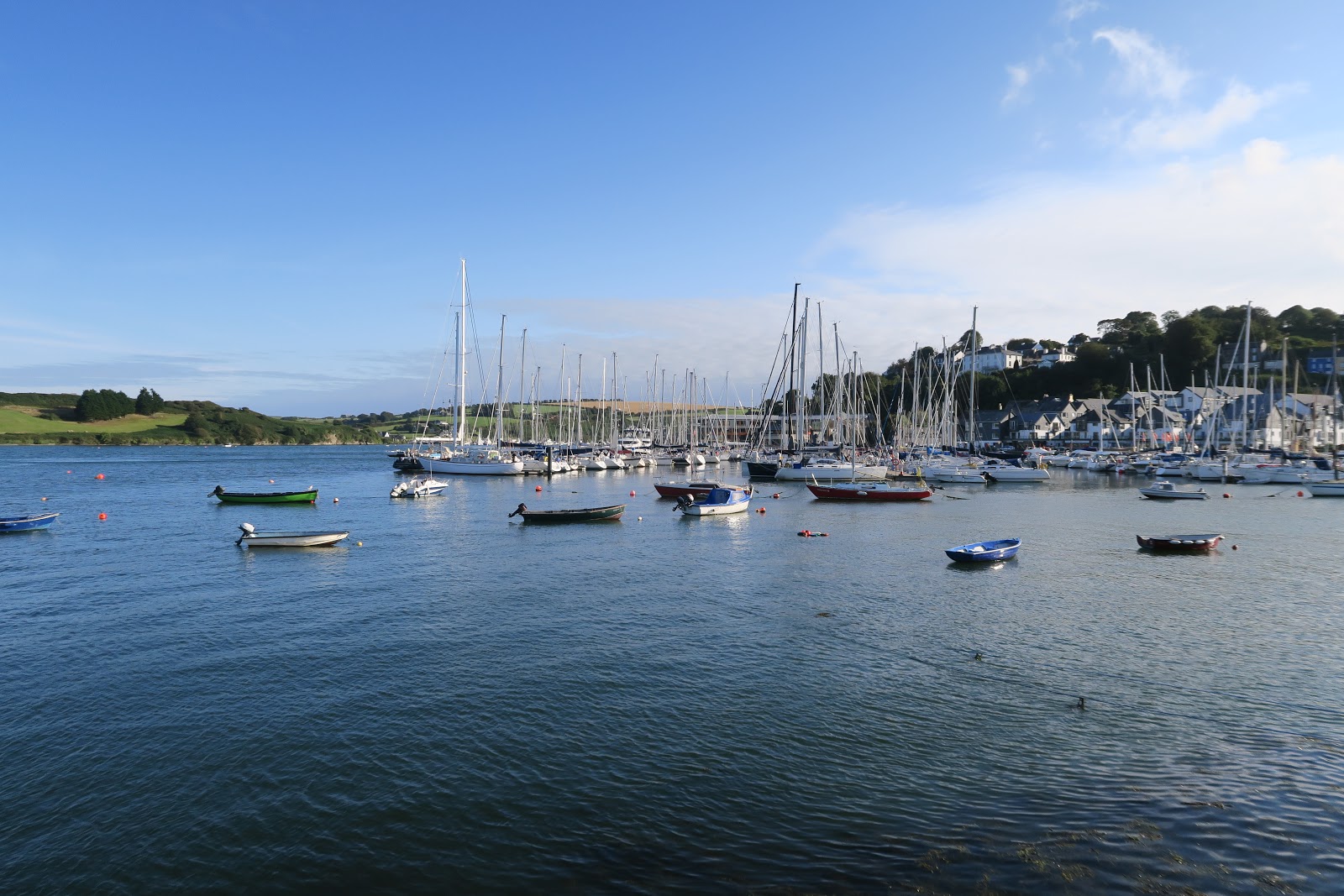
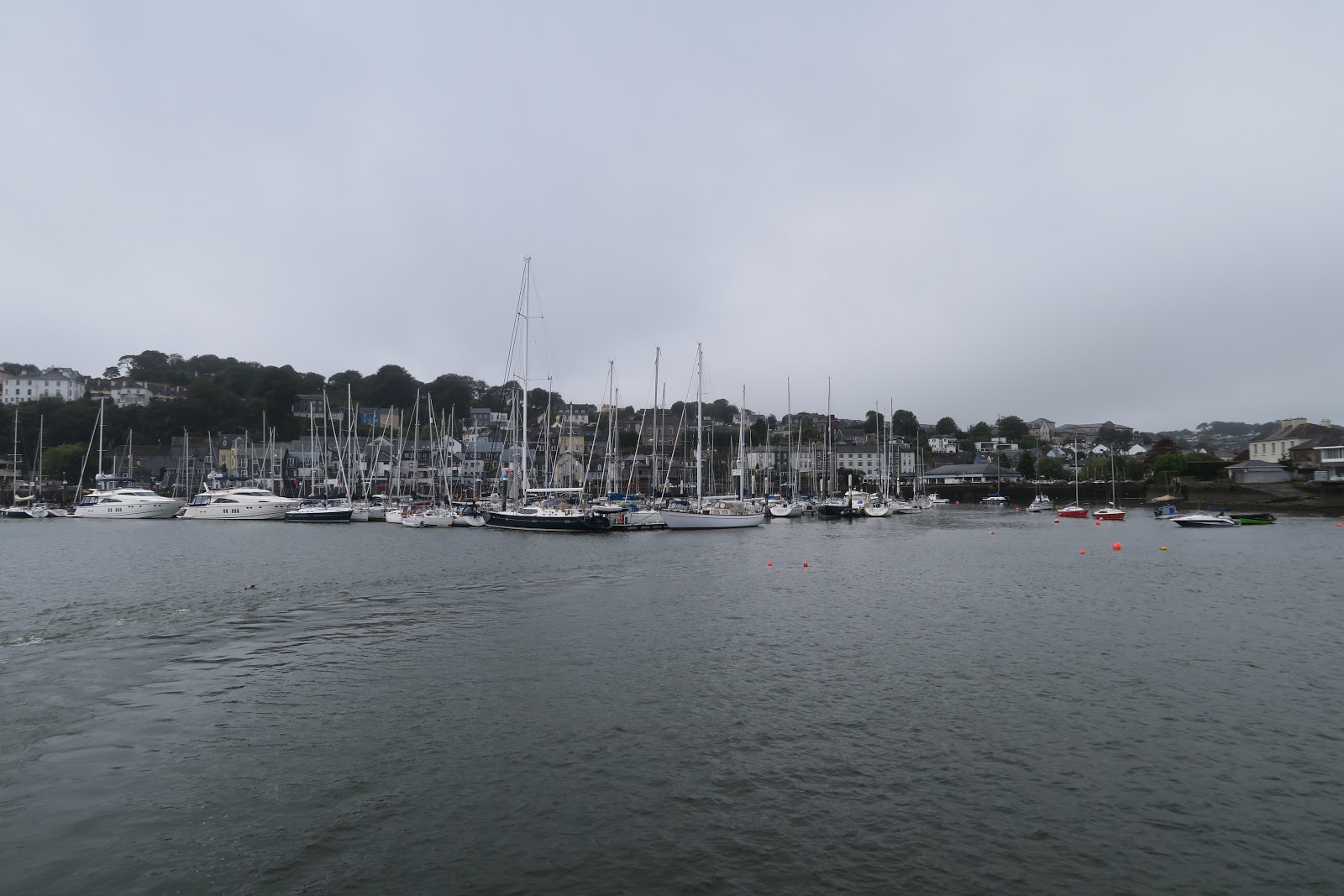
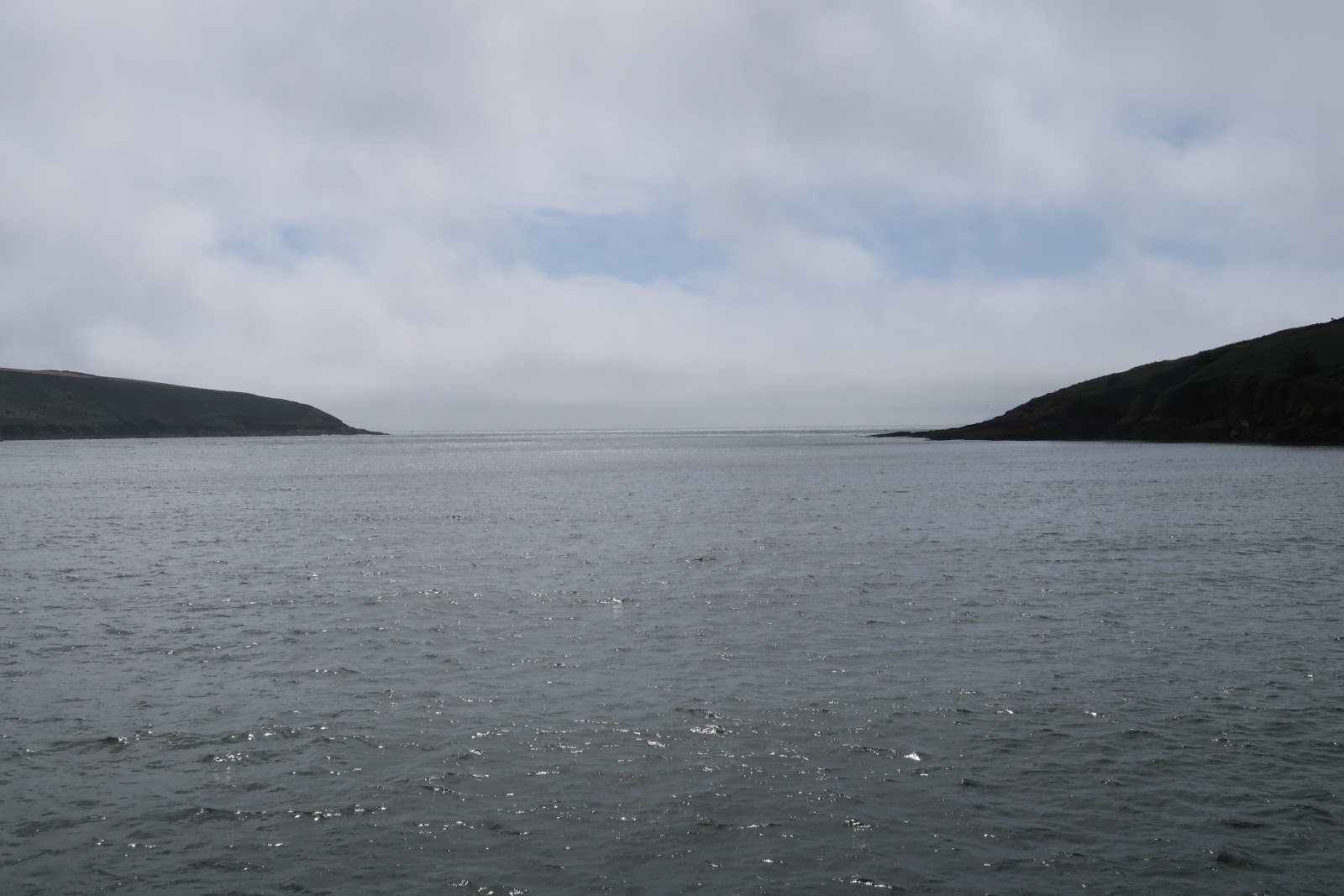
Knowing me, I’m sure that no one is surprised that before leaving Kinsale I found myself out on a little boat, having a different view of Kinsale and its beautiful harbour.


Charles Fort from the other side


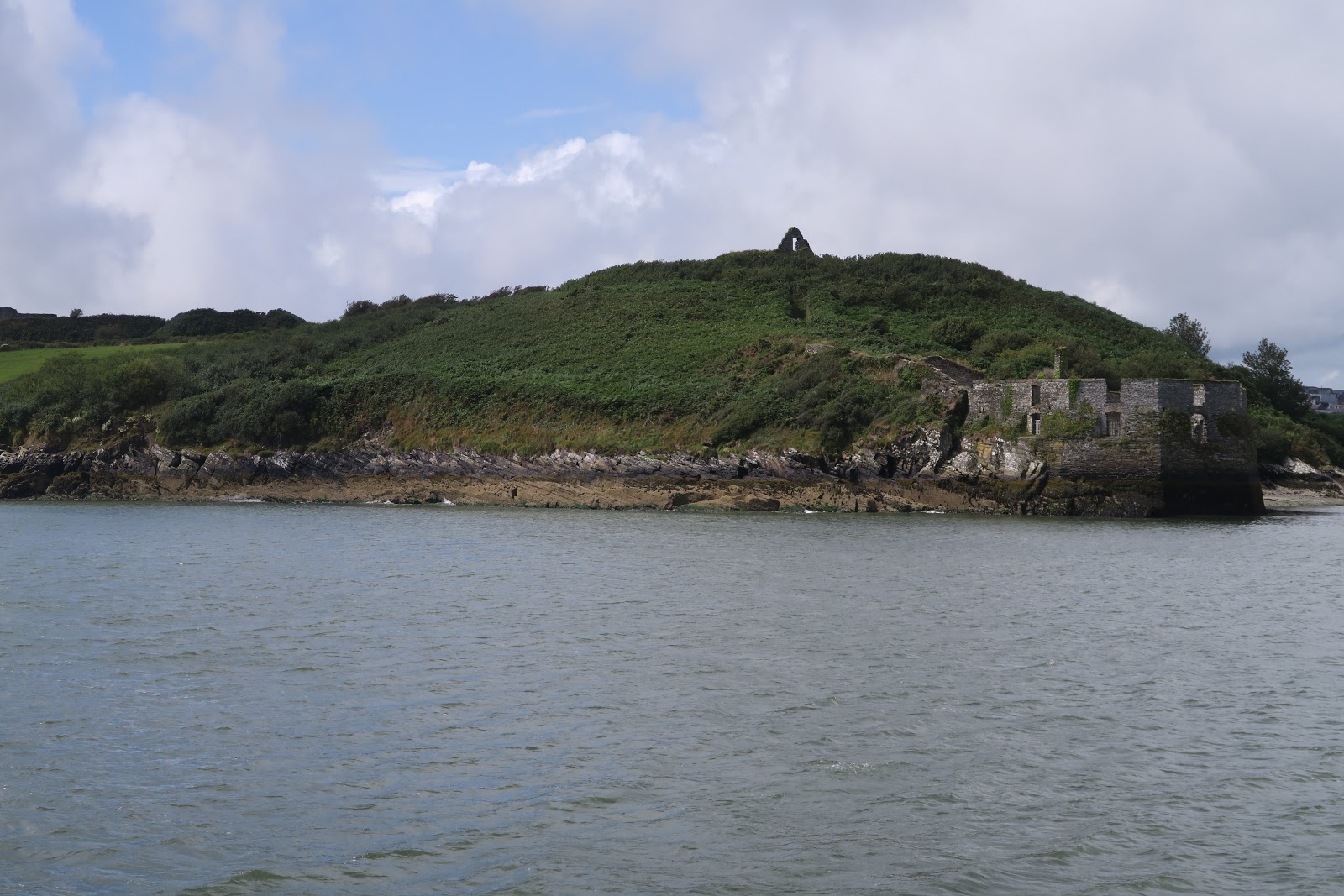
James Fort was built in 1602, immediately after the siege of Kinsale.  Following the construction of Charles Fort on the opposite side of the harbour in the late 17th century, James Fort became known as the “old fort” and declined in use during the 18th century